Delving into the realm of Well B Programs and Modern Wellness Approaches opens up a world of possibilities. In this discussion, we'll unravel the essence of these programs and approaches, shedding light on their impact and significance in today's fast-paced world.
Get ready to embark on a journey of discovery and transformation as we explore the intricacies of well-being in a modern context.
As we navigate through the various facets of Well B Programs and Modern Wellness Approaches, we'll uncover valuable insights that can revolutionize the way we approach health and wellness.
Well B Programs
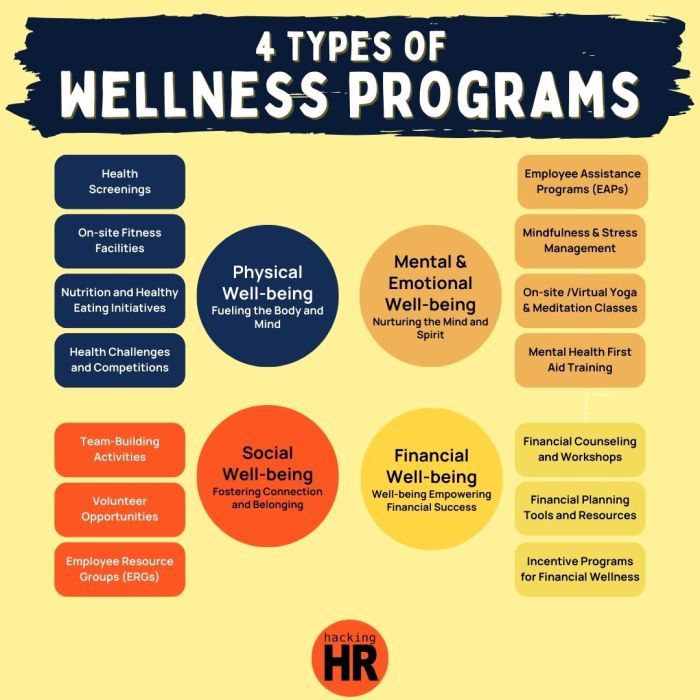
Well B Programs are initiatives designed by organizations to promote holistic well-being among their employees. These programs typically encompass physical, mental, and emotional health aspects to create a supportive work environment and improve overall employee satisfaction and productivity.
Examples of Well B Programs
- Onsite fitness classes and gym memberships to encourage physical activity.
- Mental health resources such as counseling services and stress management workshops.
- Flexible work arrangements to promote work-life balance.
- Nutritional counseling and healthy meal options in company cafeterias.
Effectiveness of Well B Programs
Well B Programs have been shown to have a positive impact on employee well-being and organizational outcomes. Research indicates that employees who participate in these programs experience reduced stress levels, improved job satisfaction, and increased engagement. Moreover, companies that invest in employee well-being through Well B Programs often see lower turnover rates and higher productivity levels.
Modern Wellness Approaches
Modern wellness approaches refer to the contemporary strategies and techniques used to promote overall well-being and improve health outcomes. These approaches often integrate a holistic perspective, focusing on the connection between the mind, body, and spirit. They differ from traditional approaches by emphasizing preventive measures, personalized care, and the use of technology to track progress and provide support.
Innovative Wellness Approaches
Innovative wellness approaches being implemented today include telemedicine and virtual health platforms that offer remote consultations and monitoring, wearable devices that track physical activity and vital signs, mindfulness and meditation apps for stress management, and workplace wellness programs that prioritize mental health and work-life balance.
Benefits of Modern Wellness Approaches
- Personalization: Modern wellness approaches tailor interventions to individual needs and preferences, promoting sustained behavior change.
- Preventive Focus: By addressing root causes and promoting healthy habits, modern approaches aim to prevent diseases before they manifest.
- Integration of Technology: Utilizing digital tools and platforms enhances accessibility, engagement, and monitoring of wellness activities.
- Holistic Approach: Modern wellness strategies consider the multidimensional aspects of health, including mental, emotional, and social well-being.
Conclusive Thoughts
In conclusion, the fusion of Well B Programs and Modern Wellness Approaches offers a promising path towards holistic well-being. By embracing these innovative strategies, individuals and organizations can unlock a new level of health and vitality. Let's strive towards a future where well-being is not just a goal, but a way of life.
Question & Answer Hub
What are the key components of Well B Programs?
Well B Programs typically include elements such as physical activities, mental health support, nutrition education, and stress management techniques.
How do modern wellness approaches differ from traditional methods?
Modern wellness approaches often focus on preventive care, personalized interventions, and holistic well-being, whereas traditional methods may be more reactive and symptom-focused.
Can Well B Programs be customized for different industries?
Yes, Well B Programs can be tailored to suit the specific needs and challenges of various industries, ensuring relevance and effectiveness in improving employee well-being.
What are some examples of innovative wellness approaches being implemented today?
Examples include wearable technology for health tracking, gamified fitness apps, virtual wellness coaching, and mindfulness programs integrated into workplace culture.
How can organizations measure the effectiveness of Well B Programs?
Organizations can track key metrics such as employee engagement, absenteeism rates, healthcare costs, and overall satisfaction levels to assess the impact of Well B Programs on employee well-being.