As Corporate Health and Wellness ROI for Organizations takes center stage, this opening passage beckons readers with casual formal language style into a world crafted with good knowledge, ensuring a reading experience that is both absorbing and distinctly original.
This comprehensive guide delves into the critical aspects of corporate health and wellness programs, shedding light on their importance, components, ROI measurement, and strategies for optimization.
Importance of Corporate Health and Wellness Programs
Implementing health and wellness programs in organizations is crucial for promoting the overall well-being of employees and creating a positive work environment. These programs go beyond just physical health and encompass mental and emotional wellness as well.
Benefits of Corporate Health and Wellness Programs
- Improved Employee Productivity: Employees who are healthy and well have higher energy levels and are able to focus better on their tasks, leading to increased productivity.
- Reduced Absenteeism: Health and wellness programs help in reducing absenteeism due to illness, as employees are more likely to take care of their health proactively.
- Enhanced Employee Morale: When organizations show they care about their employees' well-being, it boosts morale and creates a positive company culture.
- Lower Healthcare Costs: By promoting preventive care and healthy habits, organizations can reduce healthcare costs associated with treating preventable illnesses.
Positive Impact of Corporate Health and Wellness Programs
Studies have shown that organizations with well-established health and wellness programs experience:
- 28% reduction in sick leave
- 26% increase in productivity
- 30% decrease in healthcare costs
These statistics highlight the tangible benefits that such programs can bring to both employees and the company as a whole.
Components of an Effective Corporate Health and Wellness Program
Implementing a successful health and wellness program in the corporate setting involves various key components that contribute to the overall well-being of employees.
Physical Fitness
Physical fitness plays a crucial role in corporate health and wellness programs as it promotes overall health, reduces the risk of chronic diseases, and boosts productivity. Companies often provide on-site fitness facilities, organize group exercise classes, or offer incentives for employees to engage in physical activity.
Mental Health Support
Mental health support is an essential component of corporate wellness programs to address stress, anxiety, and other mental health issues. Organizations may offer counseling services, mental health resources, mindfulness programs, or stress management workshops to support employees' emotional well-being.
Nutrition
Nutrition is another key component of an effective corporate health and wellness program. Encouraging healthy eating habits through educational workshops, providing nutritious food options in the workplace, or offering nutritional counseling can help employees make better food choices and improve their overall health.
Stress Management
Stress management programs are vital in maintaining employee well-being and productivity. Companies often implement strategies such as mindfulness training, relaxation techniques, or time management workshops to help employees cope with stress and improve their mental resilience.
Innovative Initiatives
Some organizations have gone above and beyond to promote employee well-being by introducing innovative initiatives. Examples include virtual wellness challenges, gamified fitness apps, mental health days off, ergonomic workstations, and flexible work arrangements to support a healthy work-life balance.
Measuring ROI of Corporate Health and Wellness Programs
To determine the return on investment (ROI) of corporate health and wellness programs, organizations need to consider various factors and metrics. By analyzing key performance indicators (KPIs) and tracking improvements in employee health, engagement, absenteeism rates, and healthcare costs, companies can quantify the impact of these initiatives.
Calculating ROI of Health and Wellness Programs
Organizations can calculate the ROI of their health and wellness programs by comparing the costs associated with implementing and running these initiatives against the benefits gained. This involves measuring the financial savings resulting from reduced healthcare expenses, improved productivity, and decreased absenteeism.
- Quantifying healthcare cost savings: By tracking reductions in healthcare expenditures, companies can directly measure the financial impact of their wellness programs. This includes analyzing decreased medical claims, lower insurance premiums, and reduced expenses related to chronic conditions.
- Evaluating productivity gains: Improved employee health and well-being can lead to increased productivity and efficiency in the workplace. Organizations can measure this by examining factors such as enhanced focus, reduced presenteeism, and higher employee morale.
Metrics and KPIs for Evaluating Program Success
To assess the success of health and wellness programs, organizations should monitor specific metrics and KPIs that reflect the impact on employee well-being and overall company performance.
Some key metrics include employee participation rates, biometric data (e.g., blood pressure, cholesterol levels), employee satisfaction surveys, and turnover rates.
- Employee engagement and satisfaction: By conducting regular surveys and assessments, companies can gauge employee satisfaction levels and engagement with the wellness initiatives. Higher participation rates often indicate a more successful program.
- Absenteeism rates: Tracking absenteeism trends before and after implementing health and wellness programs can help organizations determine if there has been a reduction in missed workdays due to illness or health-related issues.
Methodologies for Tracking Improvements
To effectively track improvements in employee health, engagement, absenteeism rates, and healthcare costs, organizations can utilize various methodologies and tools.
- Health risk assessments: Conducting regular health risk assessments can provide valuable data on employee health status and identify areas for improvement. This information can be used to tailor wellness programs to target specific health issues.
- Data analysis and trend monitoring: Utilizing data analytics tools to analyze trends in employee health metrics and program participation can help organizations identify patterns and areas of success or improvement.
Strategies for Maximizing ROI in Corporate Health and Wellness Programs
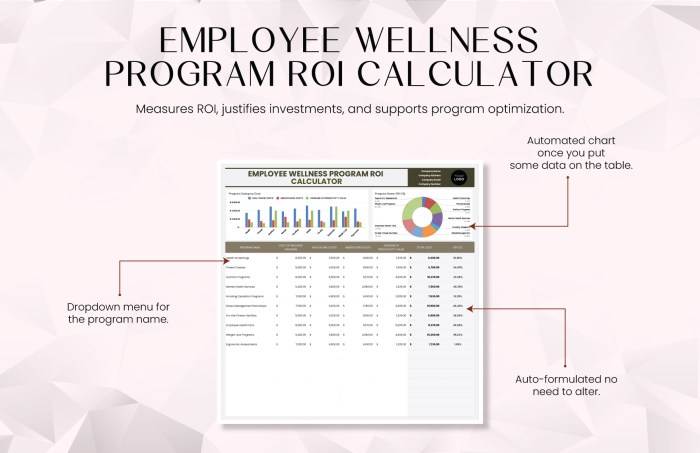
Implementing effective strategies is crucial for organizations looking to maximize the return on investment in their corporate health and wellness programs. By optimizing these initiatives, companies can create a healthier and more productive workforce while achieving significant cost savings in the long run.
Importance of Employee Engagement and Participation
Employee engagement and participation play a key role in the success of corporate health and wellness programs. When employees are actively involved in these initiatives, they are more likely to adopt healthy behaviors and sustain them over time. Encouraging participation through incentives, rewards, and recognition can boost engagement levels and drive positive outcomes.
Best Practices for Creating a Culture of Health and Well-being
- Leadership Support: Establishing strong support from top management is essential for fostering a culture of health and well-being. When leaders prioritize employee wellness and actively participate in wellness activities, it sets a positive example for the rest of the organization.
- Personalized Programs: Tailoring health and wellness programs to meet the diverse needs of employees can increase engagement and satisfaction. Offering a variety of options such as fitness challenges, nutrition workshops, mental health resources, and ergonomic assessments can ensure that employees find something that resonates with them.
- Communication and Education: Clear and consistent communication about the benefits of health and wellness initiatives is crucial for driving participation. Providing educational resources, hosting workshops, and promoting wellness events can help employees understand the value of taking care of their well-being.
- Data-Driven Approach: Utilizing data analytics to track the effectiveness of health and wellness programs can help organizations make informed decisions and optimize their strategies. Monitoring key metrics such as participation rates, health outcomes, and cost savings can provide valuable insights for continuous improvement.
Final Thoughts
By understanding the significance of investing in employee well-being, organizations can create a more productive and engaged workforce. The journey towards maximizing ROI in corporate health and wellness programs is an ongoing process that requires dedication and innovation.
Quick FAQs
How can organizations convince employees to participate in health and wellness programs?
Organizations can increase participation by offering incentives, creating a supportive environment, and emphasizing the benefits of the programs for individual health and job satisfaction.
What are some creative ways to promote mental health support in the workplace?
Implementing mindfulness sessions, providing access to counseling services, and organizing stress-relief activities can effectively promote mental health support in the workplace.
How can organizations track improvements in employee health due to wellness programs?
Organizations can track improvements through regular health assessments, surveys to measure employee satisfaction, and analyzing data on absenteeism and healthcare costs.