
Embark on a journey of exploring Disease Prevention Strategies Through Lifestyle Changes, delving into how simple lifestyle modifications can have a profound impact on our overall health and well-being. This topic sheds light on the power of healthy habits in warding off diseases and enhancing quality of life.
In the subsequent paragraphs, we will unravel the key factors influencing disease prevention through lifestyle choices, highlighting the importance of adopting a proactive approach towards health.
Disease Prevention Strategies Through Lifestyle Changes
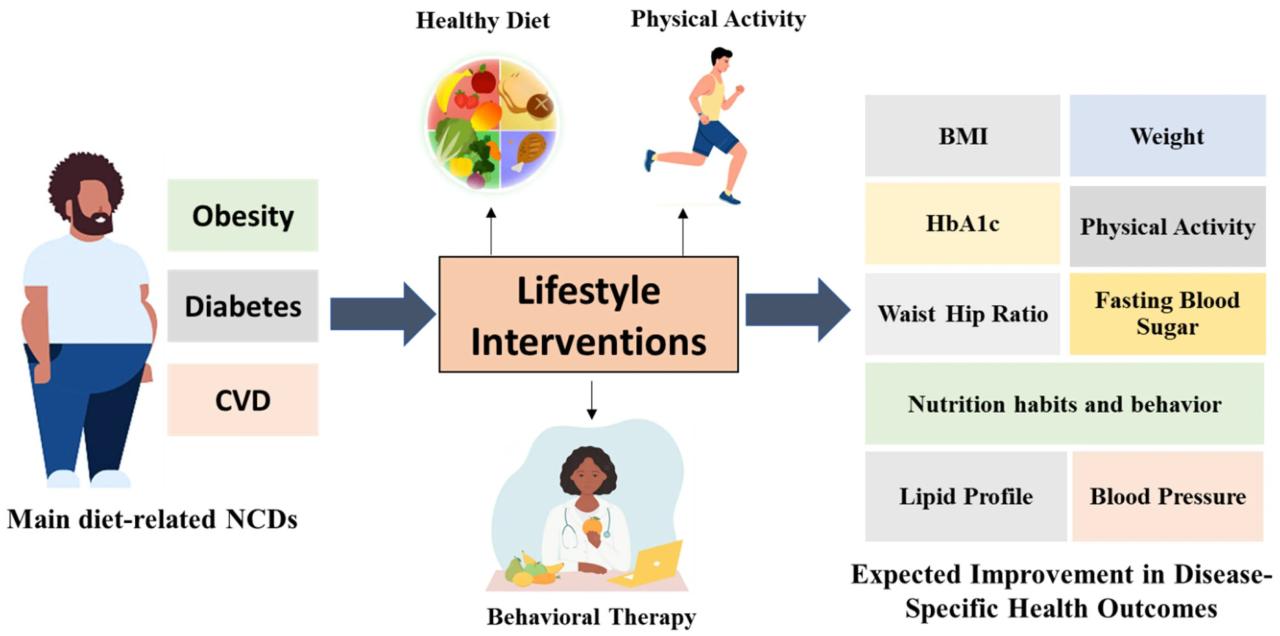
Preventing diseases through lifestyle changes is a proactive approach that focuses on modifying habits and behaviors to improve overall health and reduce the risk of various illnesses.
Impact of Lifestyle Changes on Disease Prevention
Lifestyle changes play a crucial role in disease prevention by addressing risk factors and promoting overall well-being. By making positive adjustments to daily habits, individuals can significantly lower their chances of developing chronic conditions such as heart disease, diabetes, and certain types of cancer.
Key Lifestyle Factors for Disease Prevention
- Regular physical activity: Engaging in exercise helps maintain a healthy weight, strengthens the immune system, and reduces the risk of cardiovascular issues.
- Healthy diet: Consuming a balanced diet rich in fruits, vegetables, whole grains, and lean proteins can provide essential nutrients and support optimal health.
- Adequate sleep: Getting enough rest is vital for proper immune function, cognitive performance, and overall wellness.
- Stress management: Finding effective ways to manage stress, such as through relaxation techniques or mindfulness practices, can lower the risk of stress-related illnesses.
Relationship Between Lifestyle Choices and Overall Health
The lifestyle choices individuals make have a direct impact on their overall health and well-being. By prioritizing healthy habits, such as eating nutritious foods, staying active, and managing stress effectively, individuals can enhance their quality of life and reduce the likelihood of developing chronic diseases.
Importance of Adopting Healthy Habits for Disease Prevention
Adopting healthy habits is essential for disease prevention as it helps build a strong foundation for long-term health. By incorporating positive lifestyle changes into daily routines, individuals can empower themselves to take control of their well-being and reduce the burden of preventable illnesses.
Healthy Eating Habits

Eating a balanced and nutritious diet plays a crucial role in preventing various diseases and maintaining overall health. A diet rich in essential nutrients can boost the immune system, reduce inflammation, and lower the risk of chronic conditions such as heart disease, diabetes, and cancer.
Examples of a Balanced Diet
- Include a variety of fruits and vegetables in your meals to ensure a good intake of vitamins, minerals, and antioxidants.
- Incorporate whole grains like brown rice, quinoa, and whole wheat bread to provide fiber and sustained energy.
- Choose lean sources of protein such as poultry, fish, beans, and nuts to support muscle growth and repair.
- Include healthy fats from sources like avocado, olive oil, and nuts to support brain function and reduce inflammation.
- Limit processed foods, sugary drinks, and excessive salt intake to reduce the risk of obesity and related health issues.
Impact of Different Dietary Patterns
Research shows that Mediterranean and DASH (Dietary Approaches to Stop Hypertension) diets are associated with a lower risk of heart disease, stroke, and diabetes compared to diets high in processed foods and saturated fats.
- The Mediterranean diet emphasizes fruits, vegetables, whole grains, olive oil, and moderate amounts of lean protein, promoting heart health and longevity.
- The DASH diet focuses on reducing sodium intake and increasing potassium-rich foods like fruits, vegetables, and low-fat dairy products to lower blood pressure and prevent hypertension.
Tips for Incorporating Fruits and Vegetables
- Add sliced fruits like berries, bananas, or apples to your breakfast cereal or yogurt for a nutritious start to the day.
- Include a side salad or vegetable soup with your lunch or dinner to increase your daily intake of fiber and antioxidants.
- Snack on raw vegetables like carrots, cucumbers, or bell peppers with hummus or nut butter for a satisfying and healthy treat.
- Experiment with different cooking methods like roasting, steaming, or grilling to enhance the flavors and textures of fruits and vegetables in your meals.
Physical Activity and Exercise
Regular physical activity plays a crucial role in reducing the risk of various diseases. By incorporating exercise into our daily routines, we can improve our overall health and well-being, as well as prevent the onset of chronic conditions.
Recommended Amount of Exercise
- According to the American Heart Association, adults should aim for at least 150 minutes of moderate-intensity aerobic exercise per week.
- This can be achieved through activities such as brisk walking, swimming, or cycling.
- In addition to aerobic exercise, adults should also engage in muscle-strengthening activities on two or more days a week.
Benefits of Different Types of Exercises
- Aerobic Exercise:Aerobic activities, such as running or dancing, help improve cardiovascular health, increase endurance, and boost metabolism.
- Strength Training:Strength training exercises, like weight lifting, help build muscle mass, increase bone density, and improve overall strength and balance.
- Flexibility Exercises:Stretching and yoga can enhance flexibility, reduce the risk of injuries, and improve posture and range of motion.
Strategies for Staying Active
- Find activities you enjoy to make exercise more enjoyable and sustainable.
- Incorporate physical activity into your daily routine, such as taking the stairs instead of the elevator or walking during phone calls.
- Schedule regular workout sessions in your calendar to prioritize exercise amidst a busy lifestyle.
- Join group fitness classes or enlist the support of a workout buddy to stay motivated and accountable.
Stress Management
Stress is a common factor in today's fast-paced world, and it can have a significant impact on our overall health and well-being. The relationship between stress and disease development is well-documented, with chronic stress being linked to a variety of health issues such as heart disease, obesity, and mental health disorders.
Techniques for Managing Stress Effectively
- Practice deep breathing exercises: Taking deep breaths can help calm the mind and reduce stress levels.
- Engage in regular physical activity: Exercise is a great way to relieve stress and improve overall health.
- Get enough sleep: Prioritizing good sleep hygiene can help reduce stress and improve mood.
- Try mindfulness meditation: Mindfulness practices can help increase self-awareness and reduce stress levels.
Impact of Mindfulness Practices on Disease Prevention
Mindfulness practices, such as meditation and yoga, have been shown to have a positive impact on disease prevention. By reducing stress levels and promoting relaxation, these practices can help lower the risk of developing chronic conditions like heart disease and diabetes.
Real-life Examples of Stress Reduction
One example of stress reduction leading to improved health is the case of Sarah, who started practicing yoga and meditation regularly. By incorporating these mindfulness practices into her daily routine, Sarah was able to lower her stress levels, improve her sleep, and reduce her risk of developing heart disease.
Quality Sleep
Quality sleep plays a crucial role in disease prevention and overall well-being. Adequate rest is essential for the body to repair, restore, and rejuvenate, supporting various physiological functions that contribute to good health.
Recommended Amount of Sleep
According to the National Sleep Foundation, adults should aim for 7-9 hours of sleep per night for optimal health and disease prevention. Children and teenagers require even more sleep, typically ranging from 8-14 hours depending on their age.
Consequences of Chronic Sleep Deprivation
- Increased risk of developing chronic conditions like obesity, diabetes, and heart disease.
- Impaired cognitive function, memory, and decision-making abilities.
- Weakened immune system, leading to frequent illnesses and infections.
Tips for Improving Sleep Quality
- Establish a consistent bedtime routine to signal your body that it's time to sleep.
- Create a sleep-conducive environment by keeping your bedroom dark, quiet, and cool.
- Avoid stimulants like caffeine and electronic devices close to bedtime.
- Engage in relaxation techniques such as deep breathing or meditation to calm the mind before sleep.
Ending Remarks
In conclusion, Disease Prevention Strategies Through Lifestyle Changes underscores the significance of making conscious decisions to prioritize health and wellness. By incorporating these strategies into daily routines, individuals can pave the way towards a healthier future.
Q&A
How can lifestyle changes impact disease prevention?
Lifestyle changes can significantly reduce the risk of developing various diseases by promoting overall well-being and enhancing the body's immune system.
What are some key lifestyle factors that contribute to preventing diseases?
Key lifestyle factors include maintaining a balanced diet, engaging in regular physical activity, managing stress effectively, and ensuring quality sleep.
How much exercise is recommended for optimal disease prevention?
Experts recommend at least 150 minutes of moderate-intensity aerobic activity per week for optimal disease prevention.
What is the recommended amount of sleep for disease prevention?
It is recommended for adults to aim for 7-9 hours of quality sleep per night to support overall health and disease prevention.
How can mindfulness practices help in disease prevention?
Mindfulness practices can reduce stress levels, improve mental well-being, and positively impact physical health, thereby aiding in disease prevention.