Embarking on the journey of understanding Weight Loss Medication Safety and Prescribing Guidelines opens up a world of crucial information aimed at promoting safe practices and effective outcomes. Let's delve into the realm of weight loss medications with a careful eye on safety and prescribing standards.
As we explore the nuances of this topic, we unravel the complexities surrounding the use of weight loss medications and the pivotal role of adherence to safety measures and prescribing guidelines.
Importance of Weight Loss Medication Safety
Ensuring the safety of weight loss medication is crucial to prevent potential health risks and complications that may arise from improper use.
Potential Risks of Improper Use
- Cardiovascular complications such as increased heart rate and high blood pressure
- Gastrointestinal issues like diarrhea, constipation, or abdominal pain
- Psychological effects including mood changes, anxiety, or insomnia
Common Safety Measures
- Consultation with a healthcare provider before starting any weight loss medication
- Adhering to prescribed dosage and frequency of medication intake
- Monitoring for any adverse reactions or side effects and reporting them promptly
- Avoiding the use of multiple weight loss medications simultaneously
- Following a healthy diet and exercise regimen in conjunction with medication
Prescribing Guidelines for Weight Loss Medication
When it comes to prescribing weight loss medications, healthcare providers take several key factors into consideration to ensure patient safety and effectiveness. Let's delve into the process and importance of prescribing guidelines in this context.
Key Factors Considered When Prescribing Weight Loss Medications
- Evaluation of patient's BMI (Body Mass Index) and overall health condition.
- Assessment of patient's weight loss goals and willingness to make lifestyle changes.
- Review of patient's medical history, including any existing health conditions or medications.
- Consideration of potential side effects and contraindications of the medication.
Process Healthcare Providers Follow to Determine the Appropriate Medication
- Initial consultation to discuss weight loss goals and medical history.
- Physical examination to assess overall health and BMI.
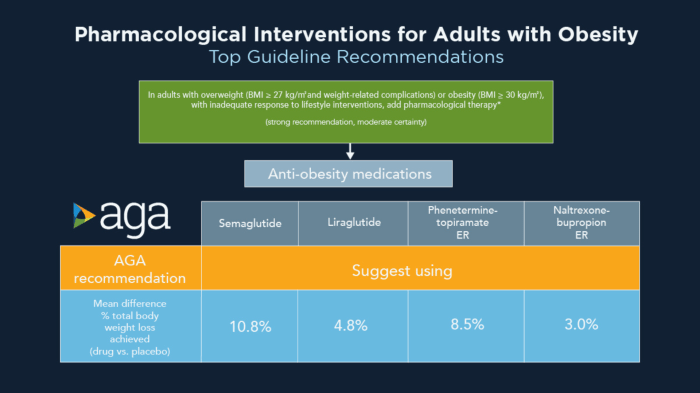
- Selection of the most suitable weight loss medication based on patient's profile and needs.
- Educating the patient on the medication, including dosage, side effects, and expected outcomes.
Importance of Monitoring and Adjusting Dosage Based on Patient Response
- Regular follow-up appointments to track progress and address any concerns or side effects.
- Monitoring of vital signs, weight, and overall health to ensure the medication is working effectively.
- Adjusting dosage or switching medications if needed to optimize weight loss results and minimize risks.
Safety Measures for Patients Using Weight Loss Medication
Weight loss medication can be an effective tool in helping individuals achieve their weight loss goals. However, it is essential for patients to follow certain safety measures to ensure their well-being while using these medications. Additionally, incorporating lifestyle modifications alongside medication can optimize the weight loss process and promote overall health.
Patients should also be aware of potential side effects and know how to recognize and report them to their healthcare provider for timely intervention.
Best Practices for Patients
- Follow the prescribed dosage: It is crucial to take the medication as directed by your healthcare provider to avoid any potential complications.
- Monitor your progress: Keep track of your weight loss journey and any changes in your body to assess the effectiveness of the medication.
- Stay hydrated: Drinking an adequate amount of water can help flush out toxins and support the weight loss process.
Role of Lifestyle Modifications
- Healthy diet: Adopting a balanced diet rich in fruits, vegetables, lean proteins, and whole grains can complement the effects of weight loss medication.
- Regular exercise: Engaging in physical activity not only aids in weight loss but also improves overall fitness and well-being.
- Stress management: Practicing stress-reducing techniques such as meditation or yoga can prevent emotional eating and support weight loss efforts.
Recognizing and Reporting Side Effects
- Be vigilant: Pay attention to any unusual symptoms or changes in your body while taking weight loss medication.
- Keep a journal: Record any side effects you experience, including their severity and duration, to provide accurate information to your healthcare provider.
- Communicate openly: Do not hesitate to discuss any concerns or side effects with your healthcare provider to address them promptly and adjust your treatment plan if needed.
Monitoring and Follow-Up Protocols

Regular monitoring and follow-up protocols are essential when it comes to patients using weight loss medication. This helps healthcare providers track progress, assess effectiveness, and ensure the safety of the treatment.
Typical Monitoring Schedule
- Patients should have regular check-ins with their healthcare provider, typically every 4-6 weeks initially.
- Monitoring may include weight measurements, blood pressure checks, and discussions about any side effects or challenges.
- Providers may also order lab tests to monitor key health indicators such as cholesterol levels or blood sugar.
Criteria for Evaluating Effectiveness
- Effectiveness of weight loss medication is typically assessed based on the amount of weight lost over a certain period.
- Other factors such as improvements in metabolic health, reduction in obesity-related complications, and overall well-being of the patient are also considered.
- Providers may adjust the treatment plan based on the progress and effectiveness of the medication.
Importance of Follow-Up Appointments
- Regular follow-up appointments are crucial to ensure the safety and efficacy of weight loss medication.
- These appointments allow healthcare providers to address any concerns, monitor progress, and make necessary adjustments to the treatment plan.
- Patients can also receive support, guidance, and motivation to stay on track with their weight loss goals.
End of Discussion
In conclusion, navigating the landscape of Weight Loss Medication Safety and Prescribing Guidelines unveils a roadmap for both healthcare providers and patients to ensure optimal results while prioritizing health and well-being. By following these guidelines diligently, individuals can embark on their weight loss journey with confidence and safety at the forefront.
Detailed FAQs
What are some common risks associated with improper use of weight loss medications?
Improper use of weight loss medications can lead to adverse effects such as increased heart rate, high blood pressure, or gastrointestinal problems. It's crucial to follow prescribed guidelines to avoid these risks.
How can patients recognize potential side effects of weight loss medications?
Patients should be vigilant of symptoms like dizziness, nausea, or unusual changes in heart rate. It's important to report any concerning side effects to their healthcare provider promptly.
What factors are considered when determining the appropriate weight loss medication for a patient?
Healthcare providers consider factors like the patient's medical history, current health conditions, and potential interactions with other medications before prescribing a suitable weight loss medication.